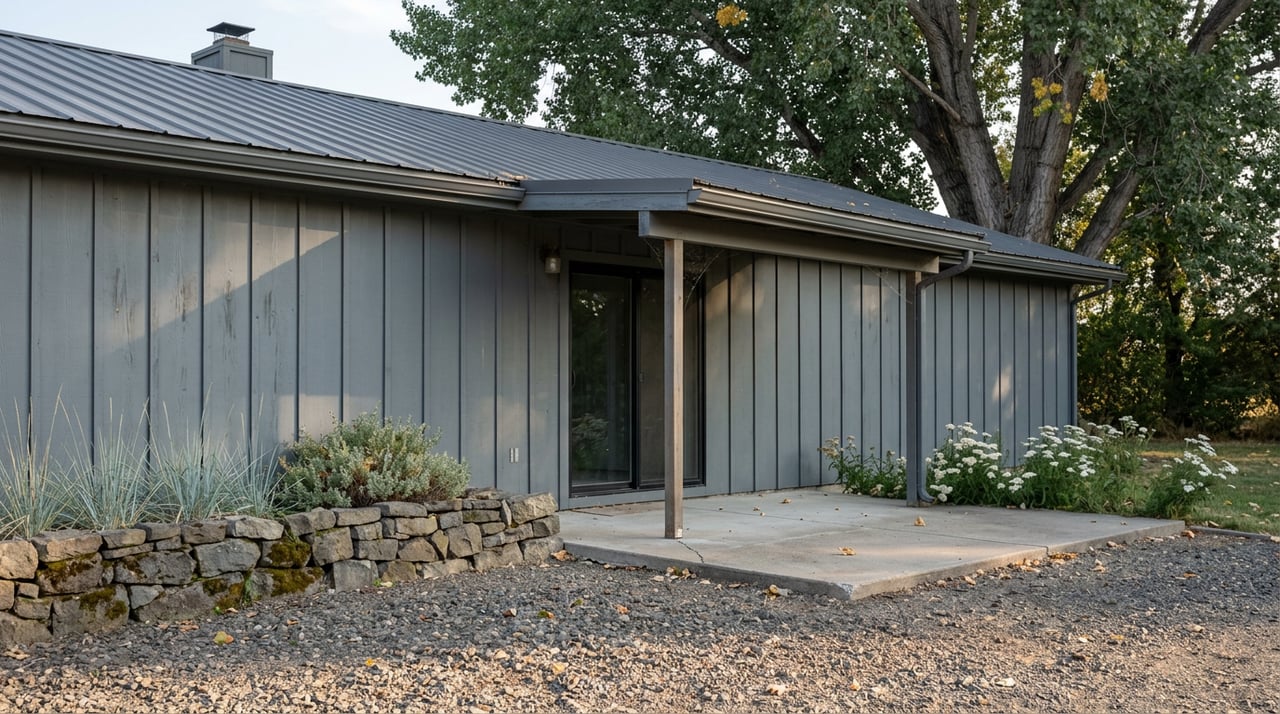
"All these papers write about Twisp and Winthrop and they never mention Carlton," a longtime Carlton resident told a group of visiting Seattle writers last fall, and she wasn't wrong. Type the Methow Valley into any search bar and you get Winthrop's Old West storefronts, Twisp's mural-covered auditorium, the rodeo grounds, the balloon festivals. Carlton, ten miles south of Twisp on Highway 20, barely rates a mention. That's not an oversight. It's the accurate reflection of a town that was never built to be written about in the first place.
The Store Is the Town
Ask someone what's actually in Carlton and the list is short: a general store with gas pumps and free wifi, a cannabis shop next door, a post office, a fire station, and a swimming hole locals will admit to only reluctantly. There's no restaurant. No Ferris wheel, as one resident put it to a Herald reporter last year, drawing the obvious contrast with Winthrop's tourist-ready Main Street just up the road.
That absence isn't a gap waiting to be filled. It's the reason the general store functions the way it does. In towns with a coffee shop, a diner, and a bar, foot traffic splits three or four ways and no single spot becomes the place everyone eventually passes through. In Carlton, it all funnels into one building. You buy gas there. You pick up your mail nearby. You catch up on who's building what off the highway. The store isn't a convenience. It's the only shared room the town has, and that scarcity is what makes it work as a gathering point instead of a stopover.
A Swimming Hole Everyone Half-Admits To
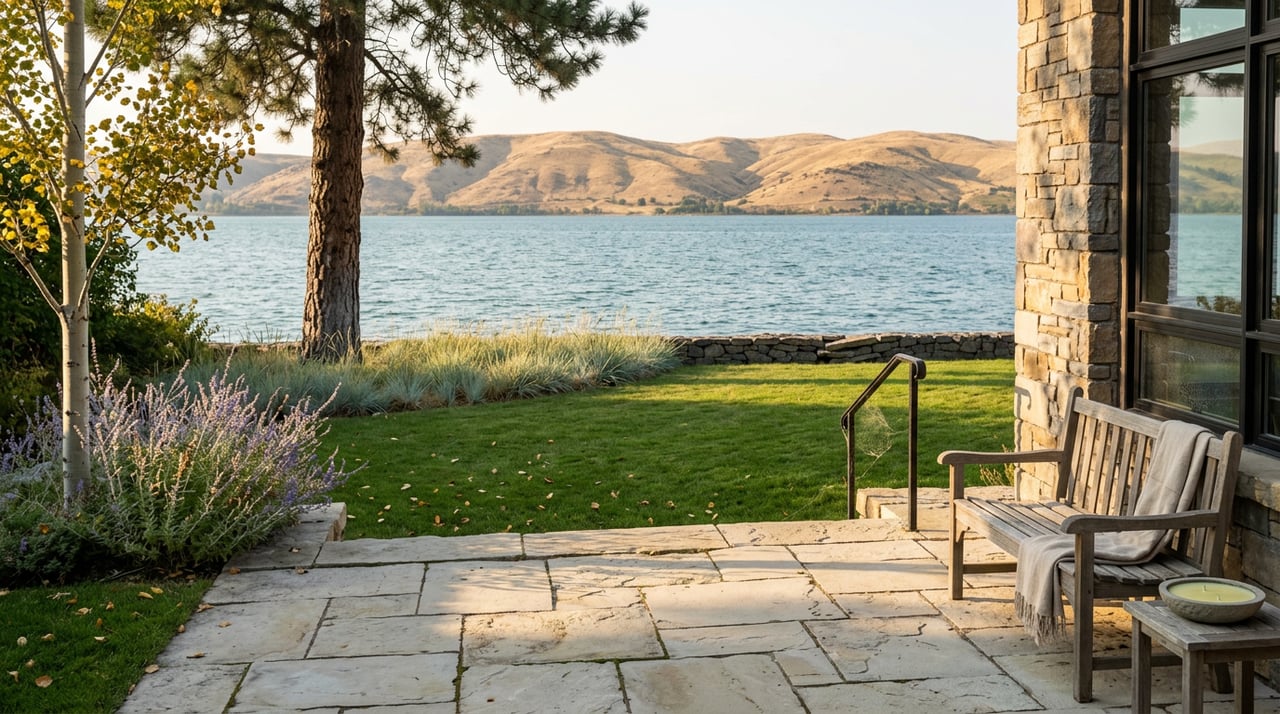
Carlton's stretch of the Methow River shows up in enough regional writeups, state tourism guides among them, that calling it a secret is technically inaccurate. It's a public river access spot, managed by Washington's Department of Fish and Wildlife, reachable off the Highway 153 bridge. None of that stops longtime residents from talking about it the way you'd talk about a good fishing spot: freely admitting it exists, reluctant to say exactly where to park.
That contradiction is worth sitting with. The swimming hole isn't hidden. It's protected socially rather than geographically, guarded not by secrecy but by the fact that pointing a stranger to it feels like handing over something that belongs to the neighborhood rather than the map. In a valley where Winthrop markets itself hard for visitors and Twisp leans into its arts-district identity, Carlton's swimming hole is the one piece of local infrastructure nobody has tried to turn into a destination. It stays a swimming hole because the people who use it want it to stay exactly that size.
Larch Madness Without the Line of Cars
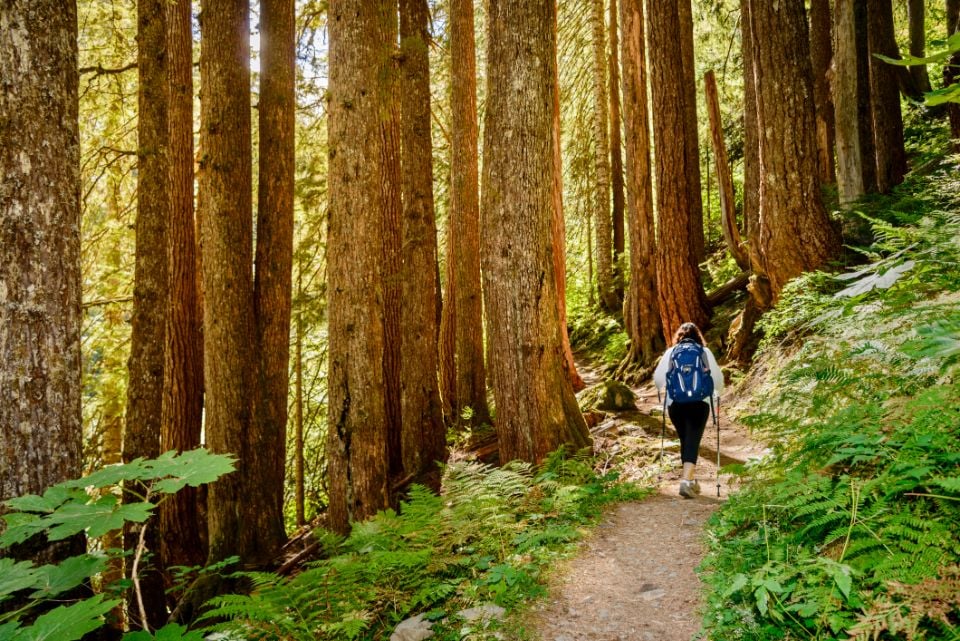
Fall in the Methow Valley has a name locals use that doesn't show up on any tourism board's calendar: Larch Madness, the stretch when the region's larch trees turn gold in the alpine zone before the needles drop for winter. Winthrop and Twisp see the traffic that comes with it, cars pulling off Highway 20 at every scenic turnout, parking lots at trailheads filling before nine in the morning.
Carlton sits below most of that. It's not a launch point for the alpine trailheads the way Mazama or upper Winthrop are, so the foliage rush passes ten miles north and south of town rather than through it. Residents get the same gold hillsides without competing for a parking spot to see them, which is less a missed opportunity than the actual daily experience of living somewhere the tourist map has decided isn't the destination. The quiet isn't accidental. It's what's left over when a town sits between two places everyone else is trying to get to.
A Family Farm That Ships Product Out of a Town With No Restaurant
The one Carlton business that reaches well beyond the valley is Methow Valley Lavender, a small family farm growing lavender in the high desert climate on the valley floor. The operation ships handcrafted lavender products nationwide and sets up at regional markets, including the Chelan Evening Farmers Market, carrying the Carlton name to buyers who will never see the general store or the swimming hole.
It's a useful detail because it complicates the idea that a town this small has nothing going on. Carlton doesn't need a commercial strip to have an economy. It has a farm with a mailing list and a shipping account, running out of a place where the closest sit-down meal is a drive away. That's not a contradiction so much as the actual shape of rural North Central Washington: small footprint, real reach, no requirement that the two match in scale.
What's Actually in Carlton
Strip away the postcard version and the town breaks down to a short, specific list:
- A general store with gas pumps and free wifi, functioning as the community's only shared indoor space
- A cannabis shop next door to the store
- A post office and a fire station
- A public swimming hole on the Methow River, reachable off the Highway 153 bridge, that locals will confirm exists and rarely pinpoint further
- Methow Valley Lavender, a family farm shipping product out of the valley and selling at regional markets
- No restaurant, and no plans mentioned locally to change that
None of these on their own would justify a write-up. Together they describe a town that has settled into a specific, working size and doesn't seem to be angling for more.
The Corridor Between Two Towns That Isn't Either One
Highway 20 runs straight through Carlton on its way between Twisp and Winthrop, which means most people who pass through are headed somewhere else. That's true of a lot of small Methow Valley communities, but Carlton wears it more plainly than most, sometimes described as the drainage hub for the rural neighborhoods around it rather than a town with its own gravitational pull.
The thing that gets lost in that framing is that "between two towns" isn't the same as "without an identity." Carlton residents aren't experiencing Twisp's Creative District programming or Winthrop's Western-storefront tourist season as their own. They're experiencing a general store run, a swim in a river access spot with a WDFW sign, and a fall that turns gold without a traffic jam attached. The valley's two more visible towns get the write-ups. Carlton gets the actual, unremarked-on version of what living in this stretch of the Methow looks like day to day.
That's the case for taking Carlton seriously on its own terms rather than as a pass-through between two better-known Main Streets. It isn't a smaller Twisp or a quieter Winthrop. It's its own thing, built around one store, one river access point, and a farm that ships lavender to people who will never drive Highway 153.
If you're weighing what life actually looks like in towns like Carlton against the postcard version of the Methow Valley, CB Cascade has agents working this corridor who can talk through it honestly. Connect with a local expert today.