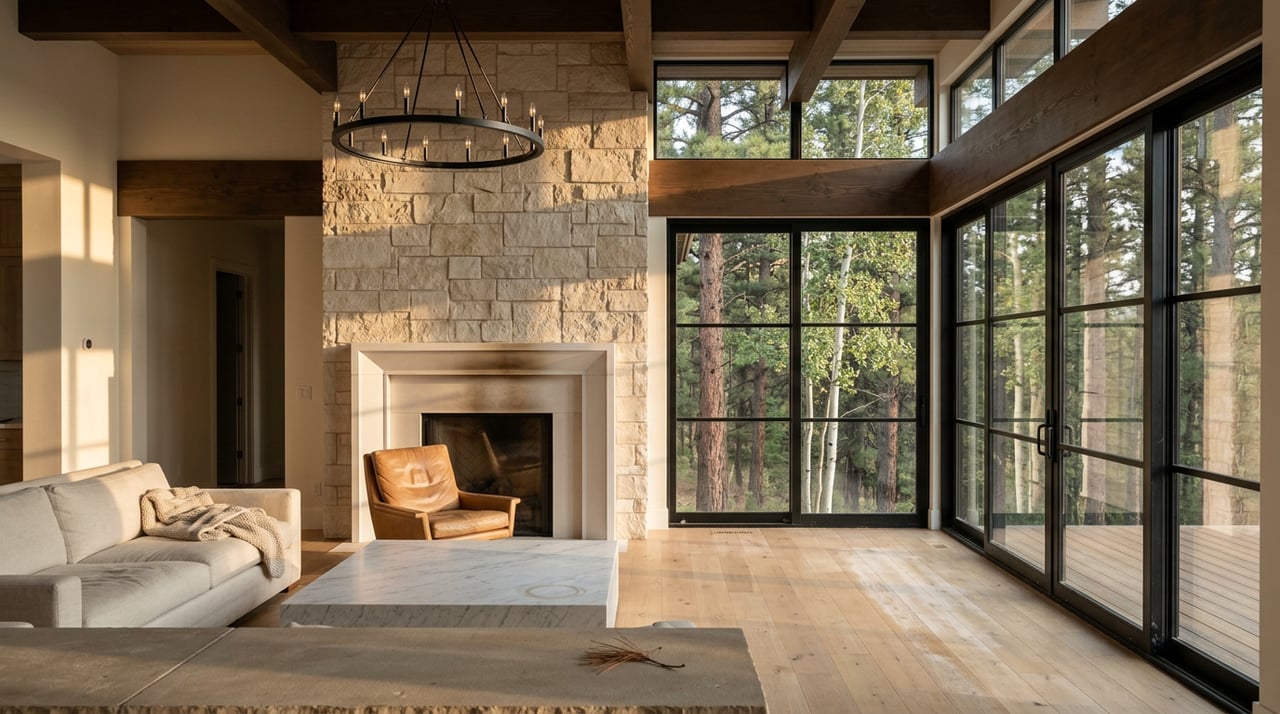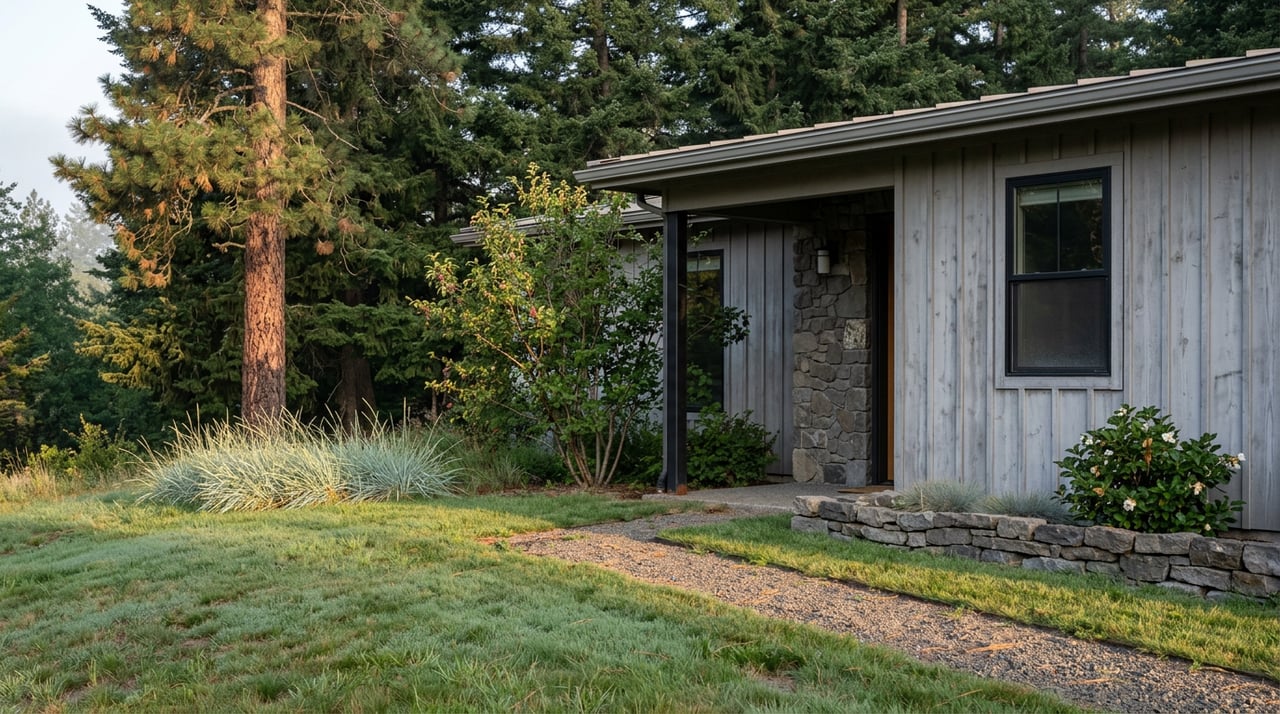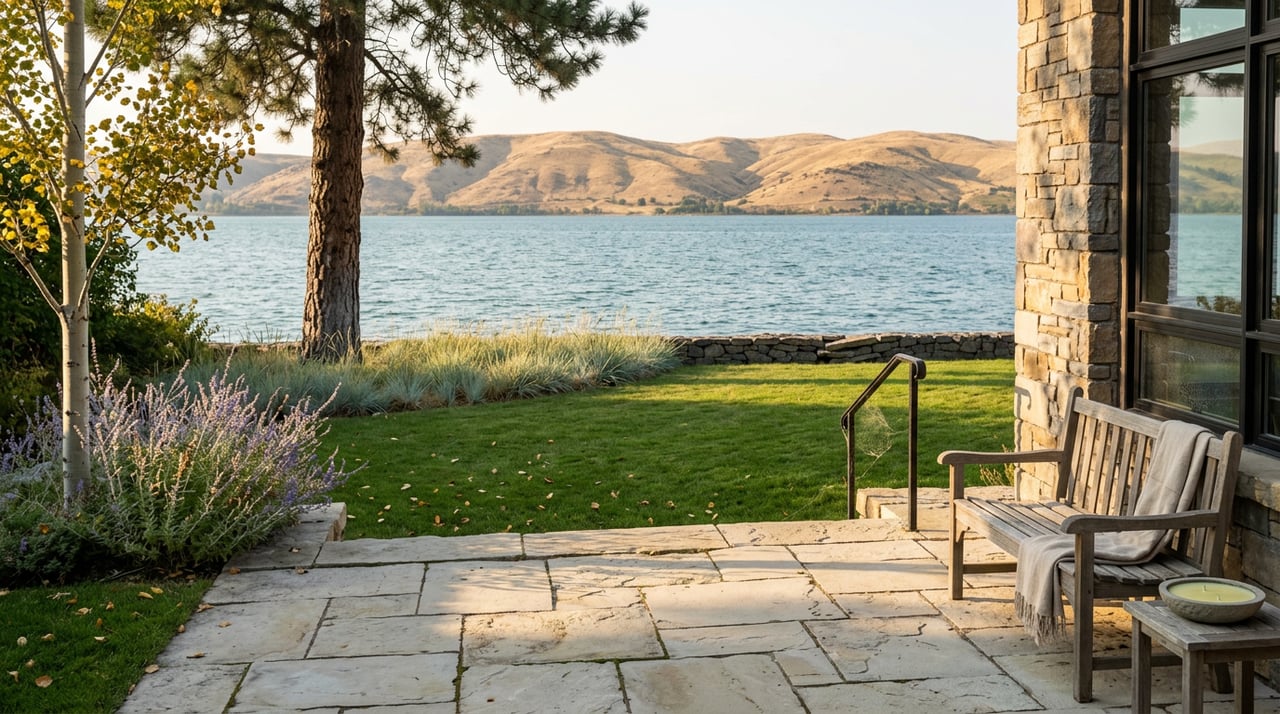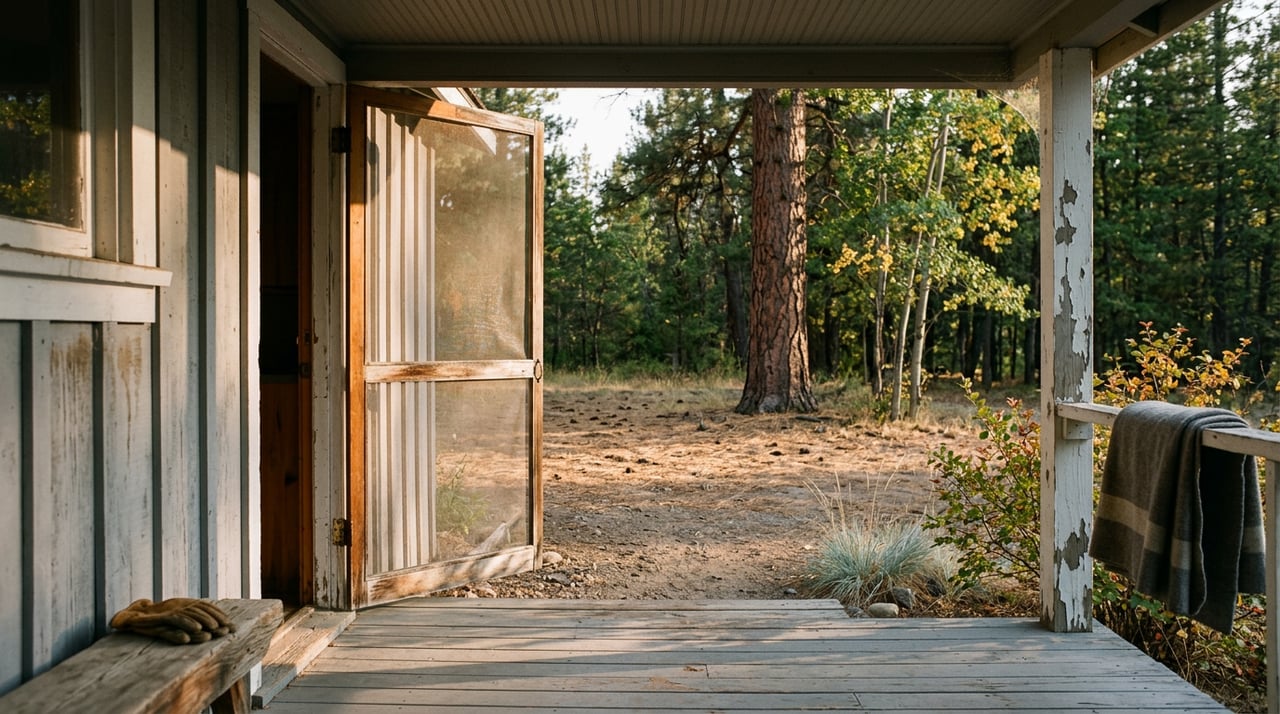
Wondering which part of Yakima feels right for your next home? That is one of the biggest decisions you will make as a buyer, because Yakima’s neighborhoods offer very different living patterns, price points, and home styles. If you want a clearer way to compare the city’s historic core, close-in suburban pockets, and west-side growth areas, this guide will help you narrow your search with confidence. Let’s dive in.
How Yakima’s Neighborhoods Differ
Yakima’s housing pattern follows a clear east-to-west story. According to the city’s housing assessment, the older and more historic parts of Yakima sit mainly on the east side, from the Yakima River to about 16th Avenue, while newer growth has moved west from downtown.
That matters when you start shopping for a home. In general, the older core offers more established neighborhood fabric and better access to downtown jobs, while newer west-side areas tend to be more suburban and more car-dependent. The city also notes that major job concentrations are downtown and near US-12 in the north.
For many buyers, that means your best-fit neighborhood depends on what you value most day to day. Do you want historic character and a central location, or more space and newer housing farther west?
Start With Your Priorities
Before comparing neighborhoods, it helps to define what matters most to you. A home search usually gets easier when you know whether price, commute, lot size, housing style, or recreation access should lead the decision.
Here are a few useful questions to ask yourself:
- Do you want to be closer to downtown Yakima and major employment areas?
- Do you prefer older homes with architectural details or newer construction?
- How important is quick freeway access?
- Are trails, parks, and outdoor recreation part of your daily routine?
- Do you want a more suburban setting with larger homes and a higher price ceiling?
Yakima also has a citywide amenity that connects several parts of the area: the Yakima Greenway. The Greenway includes nearly 20 miles of pathways, parks, and river access between Naches and Union Gap, which can be a meaningful quality-of-life feature depending on where you buy.
Explore Downtown Yakima and Barge-Chestnut
If you are drawn to older homes, central access, and a more established setting, Downtown Yakima and Barge-Chestnut are worth a close look. This part of the city reflects Yakima’s original development pattern and includes some of its most historically significant housing.
Downtown is Yakima’s civic and commercial core, and the city continues to identify downtown revitalization as an economic development priority. Buyers who want to stay close to major job centers may find this area especially appealing, since city employment is concentrated downtown and near US-12.
Barge-Chestnut stands out for its historic identity. The city identifies it as a locally designated historic district, and current homes in the area often feature preserved details like hardwood floors, fireplaces, tall ceilings, and design influences such as Tudor, Craftsman, and Art Deco.
From a pricing standpoint, recent market snapshots show Downtown Yakima with a median sale price of about $329,000 over the last three months, while Barge-Chestnut came in around $405,000. That gives buyers a mix of entry points depending on the specific block, property condition, and home style.
Nearby cultural amenities also add to the appeal of the historic core. For example, the Yakima Valley Museum in Franklin Park is close to downtown, which supports the area’s sense of place and established community character.
Who this area may suit best
Downtown Yakima and Barge-Chestnut may be a strong fit if you want:
- A central location
- Easier access to downtown employment
- Historic homes with architectural character
- Established streets and neighborhood fabric
If your top priority is space, newer subdivisions, or a more suburban feel, you may want to compare this area with Terrace Heights or the west side before deciding.
Consider Terrace Heights for Close-In Convenience
Terrace Heights offers a different balance. County planning documents describe it as a quiet suburban community between downtown Yakima and the orchards and hop fields of East Valley, which gives it a more residential feel while keeping you relatively close to the city.
For many buyers, the biggest advantage here is location. Terrace Heights residents value quick access to downtown and the freeway, making it one of the more practical options if you want a suburban setting without moving too far from central Yakima.
Housing in Terrace Heights includes a mix of older and newer homes. Current examples range from 1930s and 1940s single-family homes to 2000s construction, along with some larger-acreage properties at higher price points.
Zillow’s current typical value for Terrace Heights is about $404,159. That places it above some parts of the historic core, while still offering a broader mix of housing ages and property types.
County planning materials also note community features like the Terrace Heights Civic Center and library branch. The area is tied to East Valley schools and has access toward the Yakima River Greenway and the east-side recreation network.
Why buyers often like Terrace Heights
Terrace Heights may make sense if you want:
- A quieter, suburban setting
- Faster access to downtown and the freeway
- A mix of older homes and newer construction
- Close-in convenience without living in the city core
For buyers who want a middle ground between central Yakima and more spread-out west-side living, this area often deserves a spot high on the list.
Compare West Valley, Summitview, and Ahtanum
If your search is focused on larger homes, more space, and a more suburban layout, the west side may be where you spend the most time. West Valley planning documents describe the area as a low-density, single-family-oriented growth area, and this side of the market is generally the most suburban in feel.
There is a tradeoff, though. Yakima’s housing assessment says westward growth has fewer walkable destinations and greater dependence on cars for jobs, services, and amenities. If you work downtown or want errands and activities closer together, that is important to weigh against the benefits of size and newer housing.
Price is another key difference. Current typical values show West Valley at about $433,876, Ahtanum at about $472,077, and Summitview at about $606,896. Those figures place the west side above the city’s broader mid-$300,000s to low-$400,000s range.
Recent West Valley listings also suggest a move-up market, with homes ranging from the mid-$400,000s into the $700,000s. For buyers looking for more square footage, updated interiors, or a higher price ceiling, that can be a major draw.
Outdoor access is part of the appeal too. West Valley planning documents reference trail connections to Cowiche Canyon Trail, Cowiche Uplands, West Valley Community Park pathways, and broader pathway and greenway links.
What sets the west side apart
West Valley, Summitview, and Ahtanum may appeal to you if you want:
- More suburban, low-density surroundings
- Larger homes or more updated housing stock
- Strong access to trails and outdoor recreation
- Higher-end pricing options and move-up opportunities
This part of Yakima often works best for buyers who do not mind driving more for work, shopping, and other day-to-day needs.
Compare Yakima Neighborhood Price Points
If budget is steering your search, here is a simple snapshot of current neighborhood-level figures mentioned in recent market sources.
| Area | Recent Value or Median Price |
|---|---|
| Downtown Yakima | Median sale price about $329K |
| Barge-Chestnut | Median sale price about $405K |
| Terrace Heights | Typical value about $404,159 |
| West Valley | Typical value about $433,876 |
| Ahtanum | Typical value about $472,077 |
| Summitview | Typical value about $606,896 |
These numbers are best used as a starting point, not a promise of what any one home will cost. Within each area, price can shift based on condition, age, size, lot, and location.
Keep School District Boundaries in Mind
If school district boundaries matter to your move, it is smart to confirm them early in your search. For in-city and close-in buyers, the most relevant public districts are Yakima School District No. 7, East Valley School District No. 90, and West Valley School District No. 208.
Different neighborhoods may align with different districts. County planning materials connect Terrace Heights with East Valley schools, while most of the West Valley planning area falls within West Valley School District.
Because boundaries and enrollment details can change, many buyers choose to verify district information as they evaluate specific homes. That simple step can help you avoid surprises later in the process.
How to Choose the Right Yakima Neighborhood
A good neighborhood match is usually less about finding the "best" area and more about finding the best fit for your routine. Yakima offers distinct options, and each one serves a different kind of buyer goal.
If you want historic character and central access, start with Downtown Yakima and Barge-Chestnut. If you want a close-in suburban feel with practical freeway access, Terrace Heights may deserve a closer look. If you want larger homes, more space, and a higher price ceiling, compare West Valley, Summitview, and Ahtanum.
The smartest next step is to tour neighborhoods with your daily life in mind. Drive the routes you would actually use, compare home styles side by side, and think about how each area supports the way you want to live.
When you are ready to explore Yakima homes with a trusted real estate partner, connect with Coldwell Banker Cascade Real Estate for local guidance and a more informed home search.
FAQs
What are the main differences between Yakima neighborhoods for homebuyers?
- Yakima’s older, historic neighborhoods are concentrated on the east side and closer to downtown, while newer growth areas are farther west and tend to be more suburban and car-dependent.
Which Yakima neighborhoods have more historic homes?
- Downtown Yakima and Barge-Chestnut are the strongest options for buyers looking for historic character, established neighborhood fabric, and older homes with architectural detail.
Is Terrace Heights a good option for buyers who want suburban living in Yakima?
- Terrace Heights offers a quieter suburban setting with relatively quick access to downtown and the freeway, plus a mix of older homes and newer construction.
Which Yakima neighborhoods tend to have higher home prices?
- Based on current neighborhood figures, West Valley, Ahtanum, and especially Summitview tend to have higher values than Downtown Yakima and some other central areas.
What school districts should Yakima homebuyers know?
- The main public districts for in-city and close-in buyers are Yakima School District No. 7, East Valley School District No. 90, and West Valley School District No. 208.
What outdoor amenities matter when comparing Yakima neighborhoods?
- The Yakima Greenway is a major area-wide amenity with nearly 20 miles of pathways, parks, and river access, and west-side areas also connect to places like Cowiche Canyon Trail and West Valley Community Park pathways.